
Trinity researchers develop pioneering new medicine for atopic dermatitis
Posted on: 15 October 2026
Sitryx Therapeutics, a biopharmaceutical company co-founded by Trinity’s Professor Luke O’Neill has just announced positive results in a clinical trial of a new treatment for the inflammatory skin disease atopic dermatitis, which is commonly known as eczema.
The new medicine, called SYX-5219, was developed by Sitryx from ground-breaking research carried out by Dr Eva Palsson McDermott and Prof. Luke O’Neill in Trinity (both pictured below).
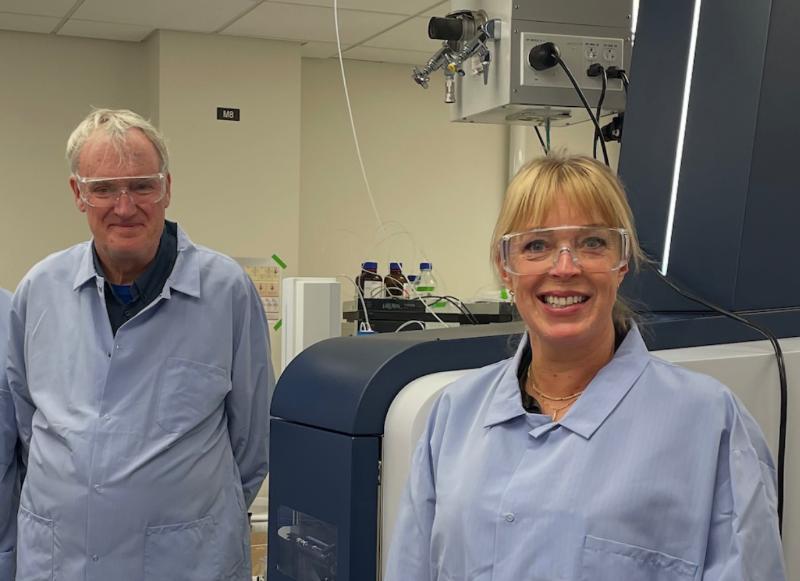
They worked on a protein called PKM2, which becomes overactive in atopic dermatitis. Alan Irvine, Professor of Dermatology in Trinity and St James’s hospital led the clinical trial for Sitryx in centres in the US and Europe, including in the clinical trials facility in St James’s hospital.
Atopic dermatitis is the most common skin disease affecting over 200 million people worldwide. Five million people in the US and Europe have moderate to severe disease. And although there are treatments many patients still suffer with the disease, which involves dry, inflamed skin rashes that can become profoundly itchy, often disrupting sleep.
Prof. Luke O’Neill, Professor of Biochemistry in Trinity’s School of Biochemistry and Immunology, said: “Our work implicating PKM2 in inflammation led to Sitryx developing a PKM2-targeted drug called SYX-5219 that is now showing substantial promise as a new treatment for atopic dermatitis and possibly other inflammatory diseases.”
In the clinical trial, SYX-5219 relieved several symptoms in patients, including itch, with skin showing improvements and multiple immune proteins involved in the disease being repressed.
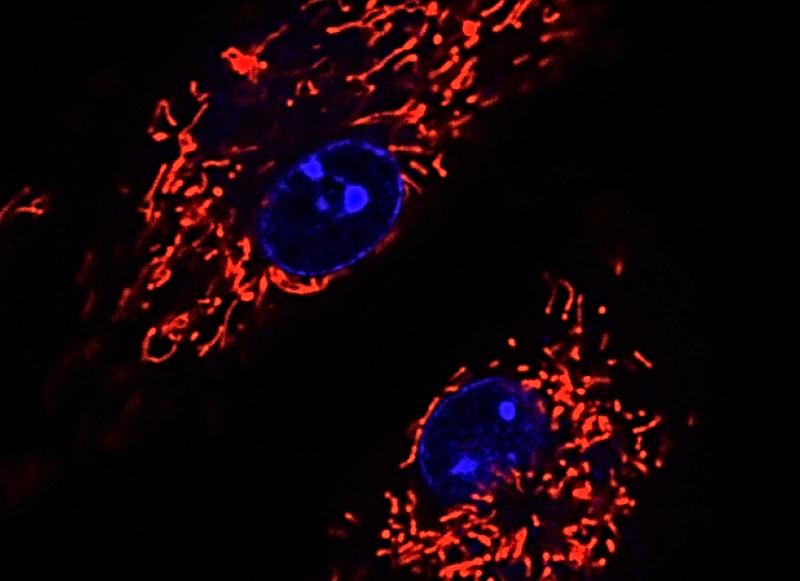
A microscope image of PKM2 in macrophages stained red. Image: Dr Eva Palsson McDermott.
Prof. Alan Irvine added: “Many patients need an orally active medicine to control their disease and these encouraging results give us hope that further trials will confirm the benefits we’ve seen with SYX-5219.
“I’m especially pleased that this early stage clinical trial was conducted in part in the Wellcome Trust HRB-supported Clinical Research Facility in St James’s Hospital.”
PKM2 is a regulator of metabolism in the immune system and becomes dysfunctional in inflammation, notably in inflammatory macrophages and T cells, which are specialised immune cell types directly involved in atopic dermatitis, as well as in other inflammatory diseases.
Sitryx has pioneered this area of immunometabolism and has been supporting research in Prof. O’Neill’s laboratory in the School of Biochemistry and Immunology in the Trinity Biomedical Sciences Institute.
What is the potential impact of this research?
Atopic dermatitis is a condition impacting millions around the globe and new, improved treatment options could thus make a significant difference to people living with it. Additionally, the team behind the development of the new drug, SYX-5219, believe it may also prove effective in other inflammatory conditions. Sitryx is now planning further clinical trials over the next one to two years, as well as exploring the broader potential of SYX-5219 in other inflammatory diseases.
Media Contact:
Thomas Deane | Media Relations | deaneth@tcd.ie | +353 1 896 4685